When submitting an RFQ (request for quotation) for PCB assembly, providing the right information from the outset can help speed up the process, improve cost accuracy and avoid unnecessary delays.
Whether you are developing a new electronic product, moving from prototype to production or looking for a new contract electronics manufacturer (CEM), your manufacturing partner will need to understand both the technical requirements of your PCB assembly and your wider project objectives.
At Active-PCB Solutions, we work with customers across a range of industries, supporting everything from initial prototypes to complex, high-reliability PCB assemblies and ongoing production. Here are the key details to include when requesting a PCB assembly quotation.
1. Bill of Materials (BOM)
The Bill of Materials, commonly known as the BOM, is one of the most important documents required for an accurate PCB assembly quotation.
It provides a list of the components needed to manufacture your assembly, including their quantities, specifications and part numbers.
Ideally, your BOM should include:
- Manufacturer names and part numbers
- Component descriptions and values
- Quantity required per assembly
- Component reference designators
- Approved alternative components, where applicable
- Any components that will be supplied by the customer
Providing a complete and up-to-date BOM allows the manufacturer to assess component availability, identify potential sourcing challenges and calculate material costs accurately.
This is particularly important when components have long lead times, limited availability or are approaching obsolescence. Identifying these issues before production begins can help avoid delays and unexpected costs.
2. PCB Design Files and Gerber Data
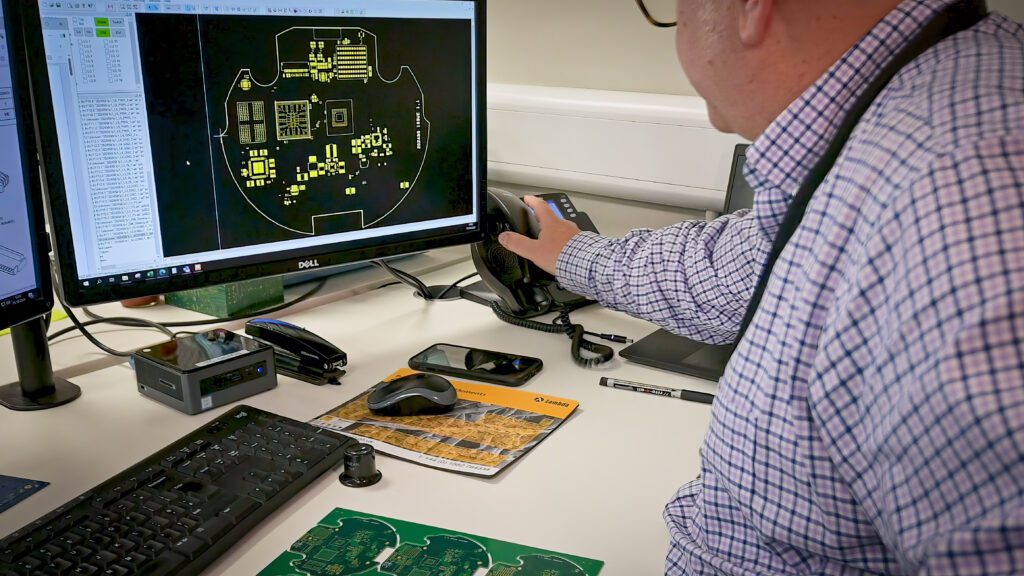
Gerber files contain the information needed to manufacture the bare printed circuit board, including the copper layers, solder mask, silkscreen and board outline.
For PCB assembly, manufacturers may also require additional design information, such as pick-and-place files, centroid data and information about the PCB stack-up.
Providing the latest revision of your design files helps ensure that the quotation reflects the actual manufacturing requirements, particularly for complex or high-density assemblies.
If your design is still being developed, it is worth discussing this at the quotation stage. Early engineering input can help identify potential manufacturing challenges before they become expensive problems.
3. Assembly Drawings and Manufacturing Instructions
Assembly drawings provide important guidance on how components should be positioned and assembled, particularly where there are requirements that cannot be communicated through the BOM and design files alone.
These might include component orientation, mechanical constraints, specific assembly processes or instructions relating to connectors and other non-standard components.
You should also highlight any particular manufacturing requirements, such as:
- Surface mount technology (SMT) or through-hole assembly
- Mixed-technology assemblies
- Hand soldering or specialist assembly processes
- Conformal coating or other protective treatments
- Mechanical assembly and box build integration
The more clearly these requirements are communicated, the easier it is to assess the manufacturing processes, equipment and labour involved.
4. Production Quantities and Forecast Volumes
The number of assemblies required can have a significant impact on your PCB assembly quotation.
A single prototype, a batch of 50 assemblies and an ongoing production requirement of several thousand units may involve different approaches to component procurement, production planning and testing.
When requesting a quotation, provide both your initial order quantity and any anticipated future requirements.
For example, if you require 20 prototypes initially but expect to manufacture 500 units per quarter following approval, sharing that information allows your manufacturing partner to consider longer-term production requirements alongside the immediate project.
At Active-PCB Solutions, we specialise in flexible, high-mix manufacturing, supporting customers with prototypes, small-to-medium batch production and repeat orders.
5. Required Lead Times and Delivery Schedules
When do you need your completed assemblies?
Delivery requirements are another important consideration when preparing a PCB assembly quotation, particularly where projects involve tight deadlines or scheduled product launches.
Lead times can be influenced by component availability, PCB fabrication, manufacturing complexity, testing requirements and production capacity.
If you have a fixed delivery deadline, communicate this as early as possible. Where possible, provide an indication of future delivery schedules or whether phased deliveries would be suitable.
Planning ahead is particularly valuable when sourcing components with extended lead times, allowing procurement and manufacturing activities to be coordinated more effectively.
6. Inspection and Testing Requirements
Not every PCB assembly requires the same level of inspection and testing, so it is important to explain how your product needs to be verified before delivery.
Depending on the application, requirements may include automated optical inspection (AOI), X-ray inspection, flying probe testing or functional testing.
If you already have a testing specification, test procedure or dedicated test equipment, include these details with your enquiry.
For products used in demanding applications, it is also important to identify any specific quality, inspection or acceptance requirements.
Active-PCB Solutions provides a range of in-house PCB inspection and testing capabilities, supporting customers who require high levels of quality assurance and manufacturing reliability.
7. Component Sourcing Responsibilities
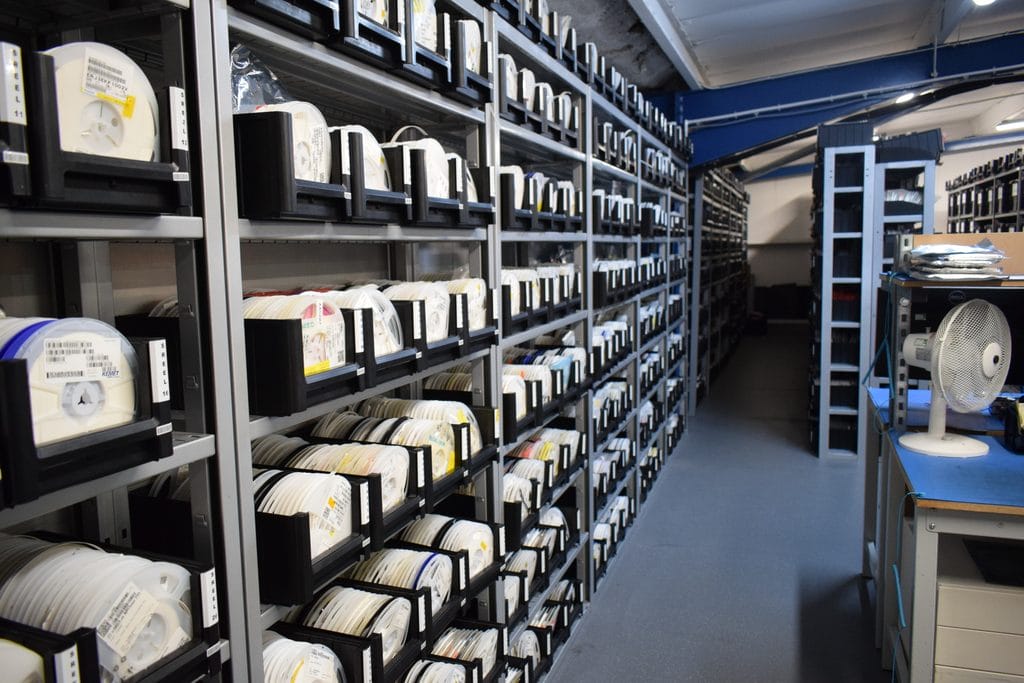
Your PCB assembly quotation will also depend on who is responsible for sourcing the components and bare printed circuit boards.
Some customers prefer to provide their own materials, while others require their manufacturing partner to manage procurement as part of a turnkey PCB assembly service.
There may also be situations where customers supply specialist or proprietary components while the manufacturer sources the remaining materials.
Being clear about these responsibilities allows the quotation to reflect the correct procurement costs, material handling requirements and supply chain considerations.
For a closer look at the financial implications of different manufacturing decisions, read our article on the Top 5 Hidden Costs of PCB Assembly.
8. Quality Standards and Documentation
Finally, make sure your PCB assembly manufacturer understands any quality standards, documentation or traceability requirements associated with your project.
Requirements can vary significantly depending on the industry and end application. For example, assemblies used in aerospace, defence, medical and industrial applications may have more demanding requirements relating to inspection, component traceability and manufacturing documentation.
If you require specific IPC acceptance criteria, certificates, inspection records or other supporting documentation, these should be discussed before the quotation is finalised.
Clearly identifying these requirements helps ensure that the necessary processes and documentation are considered from the beginning rather than added later.
What If Your PCB Design Is Not Yet Finalised?
Not every customer approaching a PCB assembly manufacturer will have a complete and production-ready set of design files.
If you are still developing your product, engaging with a manufacturing partner early can be particularly beneficial.
At Active-PCB Solutions, our prototyping and New Product Introduction (NPI) services support customers through the early stages of manufacturing, helping to identify risks, review component availability and prepare designs for production.
Find out more in our article, Why NPI Support Matters in PCB Assembly.
Request a PCB Assembly Quotation from Active-PCB Solutions
Providing clear, accurate information from the beginning is an important step towards obtaining a reliable PCB assembly quotation and keeping your project on schedule.
However, you do not necessarily need every detail finalised before getting in touch. If you are uncertain about your manufacturing requirements, our experienced team can discuss your project and help identify the information needed to move forward.
From prototype PCB assembly and component procurement to high-mix manufacturing, testing, conformal coating and box build, Active-PCB Solutions provides comprehensive electronics manufacturing support from our UK facility in Reading, Berkshire.
Planning your next PCB assembly project? Contact Active-PCB Solutions to discuss your requirements and request a quotation.
Email sales@active-pcb.com or call 0118 931 0292.