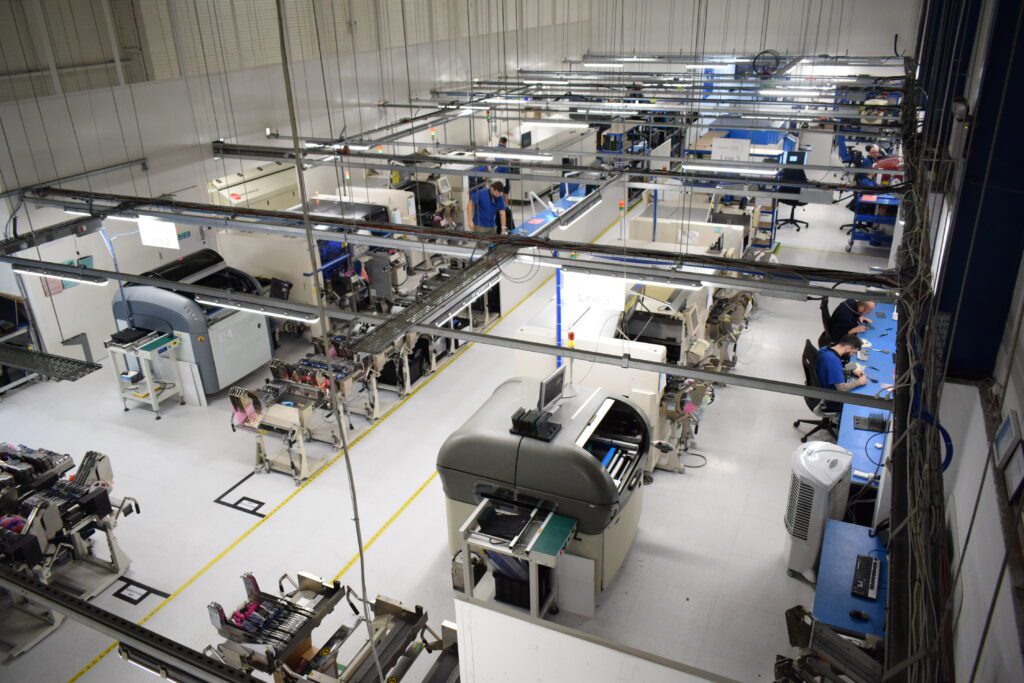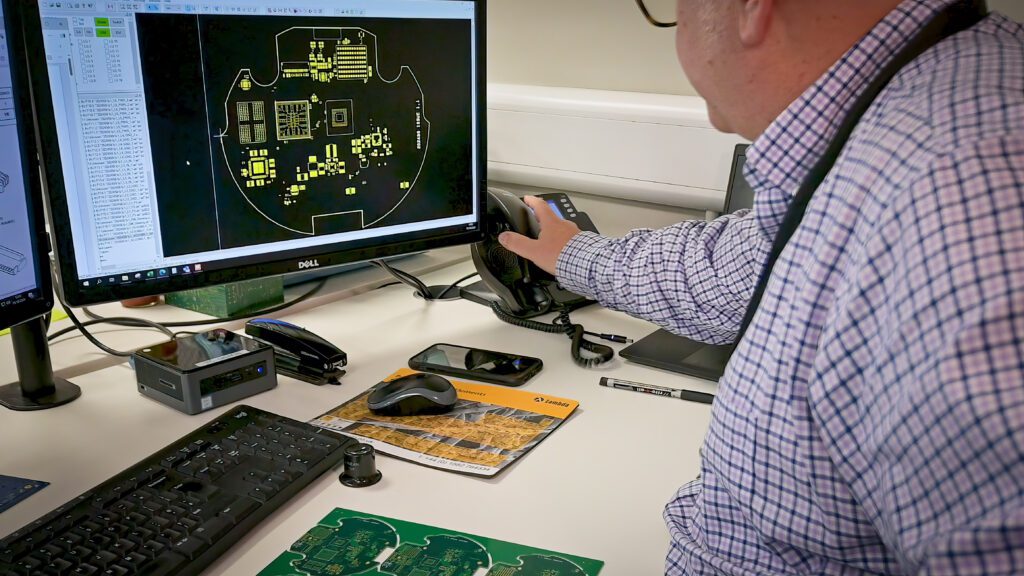

When planning a PCB assembly project, one of the first decisions is turnaround time. Do you need a fast, quick turn PCBA, or is a standard production timeline more appropriate?
Both approaches have their place, but you really need to understand the differences so you can choose the right option for your project.
What Is Quick Turn PCBA?
Quick turn PCBA refers to PCB assembly services designed to deliver completed boards in a significantly reduced timeframe, which, depending on the complexity of the build and availability of materials and components, can range from a few days to around a week.
Quick turn is typically used when speed is critical, such as during prototyping, product development, or urgent production requirements.
What Is Standard PCBA?
Standard PCBA follows a more traditional production timeline, usually spanning several weeks.
This allows for more flexibility in sourcing components, scheduling production, and optimising costs, particularly for larger batch sizes.
Standard builds are generally used for planned production runs where timelines are less constrained.

Key Differences Between Quick Turn and Standard PCBA
Turnaround Time
The most obvious difference is, as the name implies, the speed; quick turn PCBA prioritises fast delivery, often requiring immediate action across engineering, procurement and production. Standard PCBA allows for a more structured schedule, with longer lead times built into the process.
Cost
The ‘all hands on deck’ approach required by a quick turn build usually carries a higher unit cost due to to expedited component sourcing, prioritised production scheduling, and the need to allocate resources quickly. Standard PCBA benefits from more time to optimise procurement and production, which can reduce overall cost.
Component Availability
Component sourcing and supply chains are a key factor in turnaround time. Quick turn projects rely on components being readily available or easily sourced. If parts are constrained or have long lead times, this can limit how quickly a build can be completed.
Standard PCBA allows more time to source components through conventional channels, reducing risk and cost.
Flexibility
Quick turn PCBA is designed for speed, but that can limit flexibility once the build is underway. Standard production timelines allow for more adjustments, whether that involves design changes, scheduling updates, or procurement decisions.
Typical Use Cases for Quick Turn PCBA
Quick turn PCBA is often used for:
- Prototyping and design validation
- Urgent or time-critical builds
- Low-volume production runs
Standard PCBA is more suited to:
- Planned production
- Higher volume builds
- Projects with stable designs and timelines
Which Option Is Right for Your Project?
This depends on your priorities.
If speed is critical and you have a well-defined design with available components, quick turn PCBA can help accelerate development and reduce time to market.
If your project allows for longer lead times, standard PCBA offers greater flexibility and cost efficiency.
Finding the Right Balance
In many cases, projects use a combination of both. Quick turn PCB assembly is used during early-stage development and prototyping, followed by standard production once the design is finalised and volumes increase.
Understanding when to use each approach can help optimise both cost and delivery timelines.
How Active-PCB Solutions Can Support Your Project
At Active-PCB Solutions, we support both quick turn PCBA and standard PCB assembly, helping customers choose the right approach based on their requirements.
Whether you need a fast turnaround for a prototype or a reliable partner for ongoing production, our team works closely with you to ensure your project is delivered efficiently and to the highest standard.
If you are planning a new build and are unsure which route to take, we are always happy to discuss your requirements.